
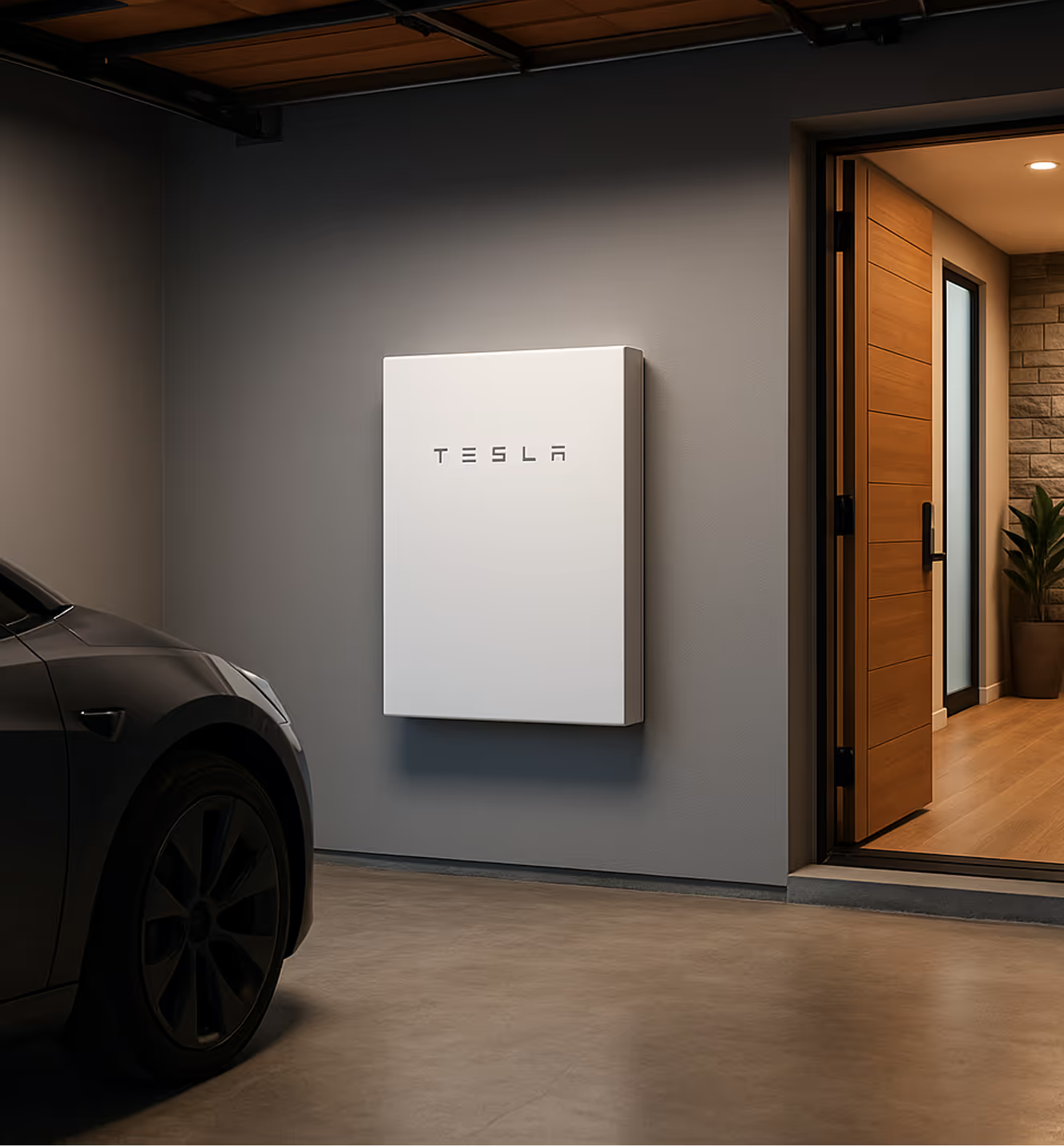
Why add a battery to your solar?
During the day your solar panels often produce more power than your home can use. Without a battery, that extra energy is exported to the grid for a feed-in tariff of just a few cents per kWh — then you buy power back in the evening at full price.
A battery changes that. It stores your surplus solar and releases it when you need it — cooking dinner, running heating or cooling, charging devices — so you buy less from the grid at peak rates.
The federal Cheaper Home Batteries discount
The federal Cheaper Home Batteries Program reduces the upfront cost of eligible home batteries. Here’s how it currently works:
- The discount is delivered through small-scale technology certificates and comes straight off your quote
- Since 1 May 2026 it’s tiered by battery size — smaller and mid-sized home batteries receive the strongest support per kWh
- The discount steps down every six months, so the value you get depends on when your battery is installed
- Batteries must be installed by an accredited installer and connected to solar
Victoria no longer has a separate state battery rebate, so the federal program is the main incentive. We check exactly what you’re eligible for and handle the paperwork. For the full breakdown, read our 2026 guide to solar and battery rebates in Victoria.
Choosing the right battery
We’ll look at:
- Your evening and overnight usage — this drives how much capacity you need
- Your solar system — enough generation to actually fill the battery on most days
- Backup needs — whether you want essential circuits to stay on in an outage
- Expandability — modular systems you can add to later as your needs grow
- Your inverter — whether a hybrid inverter or an AC-coupled battery is the better fit
We work with proven battery and inverter brands such as Sigenergy, Sungrow and GoodWe, and recommend what suits your home — not whatever has the biggest margin.
New solar and battery together
Planning new solar panels as well? Installing both at once usually means a single hybrid inverter, one installation visit and one set of paperwork — often the most cost-effective way to go.